

History Records
What Kills Houses
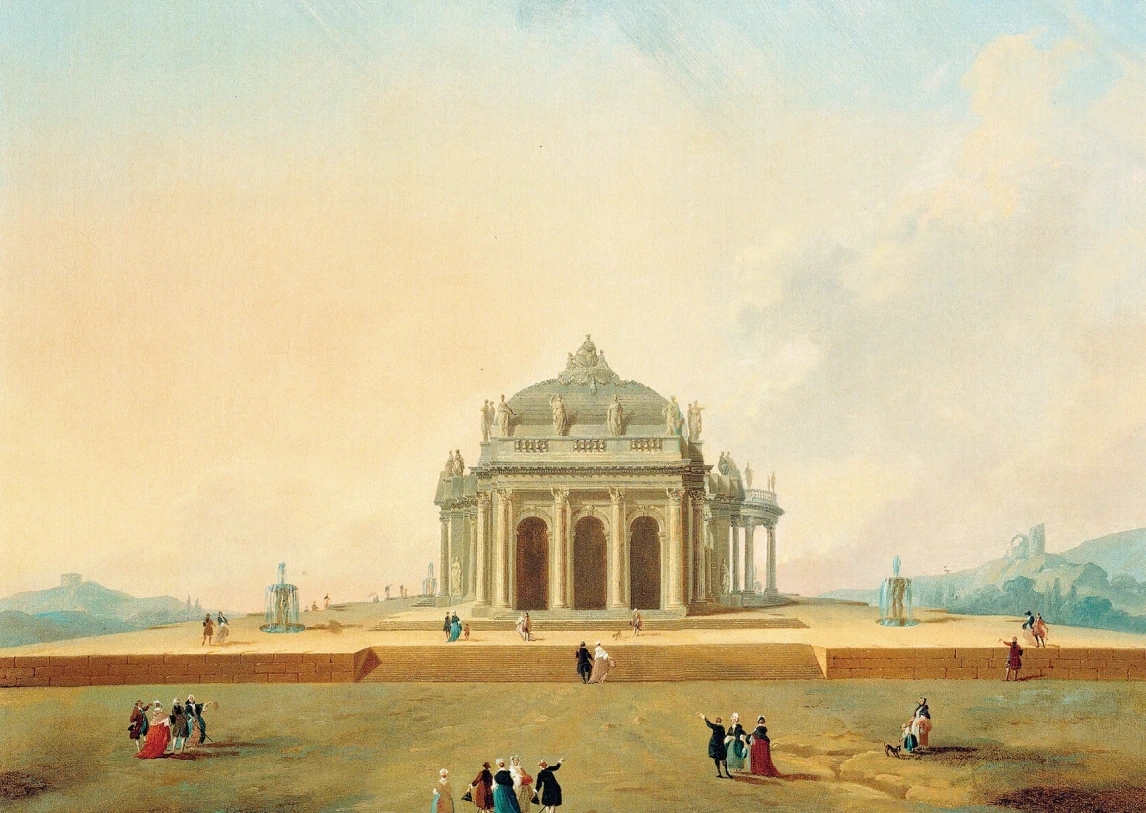
For every house that crossed a century, thousands did not — and finance, unusually among industries, keeps meticulous records of both. The failures are as instructive as the survivals, and often more honest. From its reading of both, the House has extracted the principles below. They are not decorations. They are the operating assumptions of X-CHASE, stated in the order history teaches them.

The Reputation
Is Senior Asset
Every enduring house treated its name as the one asset that could not be re-earned at any price. Reputation was spent never, leveraged never, and risked only where the house was prepared to stand behind the outcome with everything. The failures tell the same story inverted: houses that survived wars and defaults were destroyed in months by a single breach of their own name. The House draws the operating conclusion: every representation exact, every commitment kept, every claim conservative — not as courtesy, but as capital preservation.
THE GOVERNANCE
Governance Precedes Growth
The houses that endured governed themselves before anyone required it — partners with their own names at risk, perimeters that decided what the house would not do, and controls that held under temptation, which is the only condition under which controls matter.
The houses that fell grew first and governed afterward, and afterward never arrived. This is why X-CHASE imposed a Tier-1 governance framework on itself before any regulator asked it to. History suggests the sequence is not optional.
The Discipline
Of The Successor
The final and rarest discipline: the enduring houses made decisions on behalf of people not yet in the room — successors, clients' heirs, the institution's own future stewards. The horizon changed everything: what to risk, what to decline, what to build slowly and properly rather than quickly and impressively. Its entire model — Transfer as a principle, institutions built to be handed on, capability deliberately grown in the client — is the successor's interest, made method.
PRECEPT ASSEMBLY
Houses do not endure because history is kind. They endure because they took its notes.